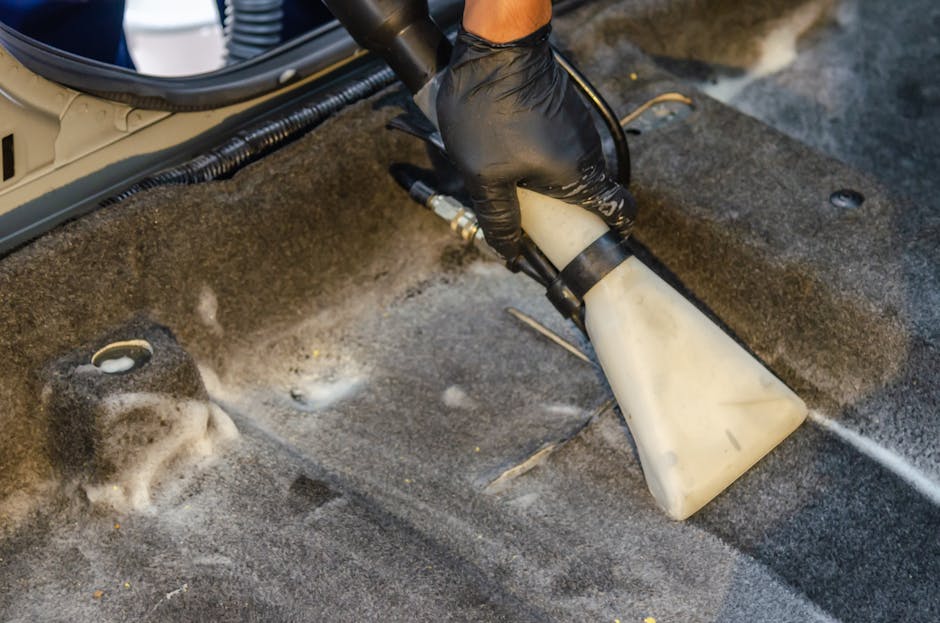
Rosslyn Hill carpet cleaning and stain removal in Hampstead
Spilled tea on a cream carpet? Mud tracked in after a wet Hampstead walk? Or maybe the hallway just looks a bit tired, even though you vacuum it regularly. That is usually the moment people start looking for Rosslyn Hill carpet cleaning and stain removal in Hampstead. And fair enough too. A carpet can hold onto more than dust; it can hold onto odours, old marks, cooking residue, pet accidents, and the general pace of everyday life.
This guide is here to make the whole thing feel less confusing. You will get a clear look at how carpet cleaning and stain removal works, what to expect, which methods suit different stains, and where people often go wrong with DIY treatment. We will also cover practical decision-making, local context, and a few useful expectations if you are comparing services in the Hampstead area. No fluff. Just the stuff that helps.
- Why Rosslyn Hill carpet cleaning and stain removal in Hampstead matters
- How it works
- Key benefits and practical advantages
- Who this is for and when it makes sense
- Step-by-step guidance
- Expert tips for better results
- Common mistakes to avoid
- Tools, resources and recommendations
- Law, compliance, standards, or best practice
- Options, methods, or comparison table
- Case study or real-world example
- Practical checklist
- Conclusion
- Frequently asked questions
Why Rosslyn Hill carpet cleaning and stain removal in Hampstead Matters
Rosslyn Hill is one of those places where homes, flats, and managed properties can see a lot of foot traffic. Shoes pick up grit, rainwater brings in fine dirt, and busy households rarely have the luxury of treating every spill straight away. That matters because carpets do not just look dull when they are dirty; fibres can also trap particles that make rooms feel stuffy, less fresh, and harder to keep on top of.
There is also the visual side. In a bright room, one wine splash or dark patch stands out instantly. In a narrow stairwell or front reception space, it can make the whole property feel less cared for. Let's face it, people often notice the carpet before they notice the skirting board. A clean carpet changes the tone of a room in a way that is hard to fake.
Stain removal is a little more delicate than general carpet cleaning. A general clean tackles embedded soil, allergens, and build-up. Stain treatment targets specific marks, and that is where judgement matters. A coffee stain, a wax mark, and a pet accident all behave differently. If you use the wrong approach, you can set a stain deeper into the fibres or spread it wider. Not ideal, obviously.
For households in Hampstead, the real value of carpet cleaning is usually threefold: it improves appearance, helps with hygiene, and protects the carpet from avoidable wear. That last part is easy to forget. Grit acts a bit like sandpaper. Over time, it can shorten the life of the pile, especially on stairs, hallways, and under dining tables.
How Rosslyn Hill carpet cleaning and stain removal in Hampstead Works
Good carpet care starts with identification. Before any liquid touches the floor, the cleaner should identify the fibre type, the stain type, the age of the stain, and whether the carpet has any colour sensitivity. Wool, synthetic blends, and natural fibres each react differently to heat, moisture, and cleaning chemistry. The process sounds technical, but it is really just careful common sense.
In a proper professional clean, the carpet is usually inspected first, then dry soil is removed, then stain treatment is applied where needed, and only then does the main cleaning method begin. That is important because you cannot rinse away what has not been loosened. If a cleaner skips the inspection, they are basically guessing. And guessing with carpets is not the best plan.
For stain removal, the method depends on what caused the mark. Organic stains such as food, milk, or pet mess need one kind of treatment. Oily stains such as cosmetics or cooking residue need another. Dye-based stains from drinks or ink can be especially stubborn, because the colour has often bonded with the fibre. Professional carpet cleaning is often as much about restraint as it is about power.
Some jobs also benefit from deep cleaning rather than a quick surface refresh, especially if the carpet has not been cleaned for a while. And if the problem has spread beyond the carpet itself, it can make sense to look at nearby soft furnishings too, such as upholstery cleaning or rug cleaning. A living room often tells a joined-up story; the carpet, sofa, and rug age together, more or less.
Key Benefits and Practical Advantages
The obvious benefit is a cleaner-looking carpet. That bit is easy. But there are several less obvious advantages that matter just as much, especially in a busy London home or shared property.
- Better appearance: Marks, traffic lanes, and dull patches are reduced, so rooms feel brighter and more inviting.
- Improved freshness: Carpet fibres can hold odours from pets, cooking, spills, and daily footfall; a thorough clean helps reduce that trapped smell.
- Longer carpet life: Regular cleaning removes abrasive grit before it grinds down the pile.
- More effective stain handling: Early, correct treatment often prevents a permanent mark.
- Better support for household routines: If you have children, pets, or visitors often, a maintained carpet is much easier to live with.
There is also a practical comfort factor. A freshly cleaned carpet feels different underfoot. Softer, cleaner, a bit more settled. You notice it most in the morning, or after the radiators have been on for a while and the room has that faint warm-fabric smell. A proper clean resets the space in a way vacuuming never quite can.
If you are preparing a property for new occupants or the next inspection, carpet care can be part of a wider tidy-up. Services such as end of tenancy cleaning or house cleaning often make more sense when carpets are included, because one neglected area can drag down the rest of the presentation.
Who This Is For and When It Makes Sense
Not every carpet needs a specialist stain treatment every few months. But some situations are a clear yes.
This service makes sense if you are a homeowner who wants to protect a decent carpet and keep the place looking cared for. It also makes sense for landlords, tenants, letting agents, and anyone managing a flat where presentation matters. Busy families, pet owners, and people working from home often need it too, because carpets pick up the evidence of daily life very quickly.
It is especially useful when:
- a stain is fresh but likely to set if ignored;
- the carpet has traffic lanes or a greyed appearance;
- there is a lingering smell you cannot quite pin down;
- the carpet is part of a sale, letting, or inspection preparation;
- you have tried DIY cleaning and made the patch look worse, which happens more often than people admit.
There is a subtle difference between "dirty" and "damaged". A dirty carpet often comes back beautifully. A damaged fibre or chemically bleached patch, on the other hand, is a different story. That is why timing matters. The earlier you act on a stain, the better your odds.
For some properties, carpet work is just one piece of a wider cleaning plan. You might pair it with domestic cleaning, one-off cleaning, or even after builders cleaning if the carpet has picked up fine dust during renovation. Dust after building work is sneaky. It gets everywhere, honestly.
Step-by-Step Guidance
If you want to understand what a sensible carpet cleaning process looks like, start here.
- Identify the stain. Work out whether it is food, drink, mud, oil, pet-related, or something else. If you do not know, do not guess wildly with chemicals.
- Blot, do not scrub. Blotting lifts liquid out. Scrubbing drives it deeper and roughs up the pile.
- Test in a discreet spot. Any stain solution should be checked somewhere hidden first, just in case the carpet reacts badly.
- Pre-treat carefully. Apply the right cleaner in the right amount. More is not always better. In fact, it usually isn't.
- Use controlled extraction or agitation. The goal is to lift soil without flooding the backing or over-wetting the carpet.
- Rinse if needed. Residue left behind can attract new dirt, so a proper rinse matters.
- Dry thoroughly. Airflow helps. So does patience. Damp carpets can smell musty and may take on new marks while drying.
- Review the result. Some stains need a second pass. Others should be left alone after one careful attempt.
One useful rule of thumb: if the stain is older than you think, treat it with more caution than force. People often go straight for strong products, which can make a small problem into a permanent one. A calm approach wins more often than not.
If the carpet is in a high-traffic area, a broader care plan may help. A carpet cleaning service can be paired with maintenance routines, while specialist help for a single stubborn patch can be handled separately. That distinction matters because different jobs need different levels of intervention.
Expert Tips for Better Results
Here are the little things that make a surprisingly big difference.
- Act quickly on fresh spills. The first 10 minutes often matter more than the next 10 hours.
- Lift solids first. Food, mud, and debris should be removed before any liquid treatment.
- Use a white cloth. Coloured towels can transfer dye. Annoying, but true.
- Work from the outside in. This helps prevent the stain from spreading.
- Avoid soaking the underlay. Too much moisture can cause drying problems and smells later on.
- Keep pets and children off the carpet until it is dry. A fresh clean does not need footprints immediately.
- Ask about fibre-safe methods. Wool and delicate blends need gentler handling.
Another useful tip is to manage expectations. Not every stain disappears completely, especially if it has already oxidised, been heat-set, or reacted with an unsuitable DIY product. The goal is often major improvement rather than magic. That said, many carpets come up better than people expect when the right method is used.
If you have awkward stains on stairs, landings, or in a small front room, a local professional with the right equipment can usually work more efficiently than a rental machine. That does not mean every stain needs a specialist. It just means the job should suit the problem.
Common Mistakes to Avoid
Most carpet damage during stain removal comes from good intentions. People want the mark gone, so they act fast. Understandable. But some mistakes are very common.
- Rubbing aggressively: This spreads the stain and frays the fibres.
- Using too much detergent: Residue can hold onto dirt and make the area look worse later.
- Mixing products: That can create unpredictable results and, in some cases, irritating fumes.
- Using heat too early: Hot water or a hairdryer can set certain stains deeper into the carpet.
- Ignoring the backing: Surface appearance is one thing, but trapped moisture is another.
- Leaving a stain "for later": Later tends to mean harder.
A less obvious mistake is trying to clean every stain the same way. Coffee is not grease. Wine is not paint. Pet urine is not mud. Different chemistry, different response. Once you understand that, the whole thing becomes more manageable.
And yes, the internet is full of miracle fixes. Most of them are a bit enthusiastic. To be fair, a sensible blot-and-treat approach beats a dramatic kitchen-cupboard experiment nearly every time.
Tools, Resources and Recommendations
You do not need a van full of kit to deal with a minor spill, but a few practical tools help enormously.
- White microfibre cloths: Useful for blotting and lifting moisture without dye transfer.
- Soft brush: Helps loosen dry particles before treatment.
- Clean spray bottle: Handy for controlled application of water or mild solution.
- Wet vacuum or extraction machine: Useful for deeper cleaning, especially on larger areas.
- Fan or open-window drying: Simple, but very effective.
For wider property care, you may also want to think beyond carpets. A room often benefits from coordinated cleaning of surfaces and fabrics, such as sofa cleaning or home cleaners for broader maintenance. If the hard flooring in adjacent areas has also picked up grit or marks, hard floor cleaning can round out the job neatly.
When choosing a provider, practical signals matter more than fancy claims. Look for a clear explanation of how they assess stains, how they handle delicate fibres, and whether they are upfront about limits. If a company sounds like it can remove absolutely anything, every time, without exception... well, that is a bit too glossy for real life.
It is also sensible to check the company's broader operational pages so you know how they work. Helpful pages include about us, pricing and quotes, and insurance and safety. Those are boring in the best way: they tell you whether the service is organised, transparent, and properly run.
Law, Compliance, Standards, or Best Practice
For carpet cleaning in a home or managed property, the most useful compliance idea is not a single law, but a general duty of care. In plain English, the work should be done safely, with suitable products, and without creating avoidable risk to residents, staff, or the property itself.
In the UK, professional cleaners are generally expected to follow sensible health and safety practice, use equipment correctly, and handle cleaning chemicals in line with manufacturer guidance. That includes appropriate dilution, ventilation, and keeping wet floors clearly managed. If a carpet is in a shared stairwell, a hallway, or a busy entrance, drying and access control become especially relevant. Slips are no joke.
Best practice also includes protecting furnishings and testing for colour fastness where needed. Responsible carpet cleaning should take fibre type and stain history seriously. If the carpet is in a rental property, it is also wise to keep a record of the condition before and after treatment, especially if you are managing a checkout or a periodic inspection.
On the service side, it helps when a provider is clear about its own policies. Pages such as health and safety policy, privacy policy, and terms and conditions give you a better sense of how they operate. For many customers, that reassurance matters as much as the cleaning itself.
Options, Methods, or Comparison Table
Different carpets and stains call for different approaches. Here is a simple comparison to help you think it through.
| Method | Best for | Strengths | Limitations |
|---|---|---|---|
| Spot treatment | Fresh, localised stains | Fast, targeted, low disturbance | Can miss deeper residue if used alone |
| Hot water extraction | Overall soil, traffic lanes, odours | Thorough, good for renewal | Requires proper drying time |
| Low-moisture cleaning | Delicate settings or quicker turnaround | Less drying time, easier logistics | May be less effective on deep contamination |
| Manual stain correction | Specific stubborn marks | Careful and precise | Depends heavily on stain type and age |
There is no perfect method for every carpet. A hallway with ground-in grit is different from a guest bedroom with one old tea stain. If you are unsure, a competent cleaner should be able to explain why they are choosing one method over another. That explanation is a good sign. The absence of one, less so.
Case Study or Real-World Example
Here is a typical local scenario, drawn from the kind of job people often face in Hampstead.
A homeowner in a Rosslyn Hill flat notices several problems at once: a dull main room carpet, a dark coffee mark near the sofa, and faint tracking up the hallway from wet shoes over the winter months. They have tried a supermarket spray on the coffee mark, which lightened the centre but left a pale ring around it. Very common, that ring. The carpet now looks more obviously treated than stained, which is an awkward place to be.
A sensible cleaner would start by identifying the fibre and checking whether the stain has been set by the previous product. After inspection, the room would be vacuumed thoroughly, the stain treated with a suitable approach, and the main carpet cleaned in a way that avoids over-wetting. The result may not be "new carpet" perfect, because that would be unrealistic, but it can usually be a strong visual improvement. The hallway, in particular, often comes back to life because traffic lane dullness is not really a stain at all; it is a build-up of soil.
What did the homeowner notice most? Not just the cleaner carpet, but the room feeling calmer. Less fussy. Less apologetic. It is a small thing, maybe, but if you live with the space every day, those details matter more than people think.
That is why a careful approach is worth it. A rushed clean might make one patch look better and the rest look inconsistent. A thoughtful clean aims for balance, and that is usually what people want in the end.
Practical Checklist
Use this quick checklist before and during carpet cleaning or stain removal.
- Identify the stain type before applying any product.
- Blot fresh spills immediately with a clean white cloth.
- Test any treatment in a hidden area first.
- Avoid scrubbing hard or using excessive heat.
- Do not over-wet the carpet or underlay.
- Allow enough drying time and airflow.
- Keep foot traffic off the area until it is dry.
- Check whether adjoining rugs, upholstery, or floors also need attention.
- Ask for a clear explanation of method, drying expectations, and limits.
- Keep records if the carpet is part of a tenancy or managed property handover.
If you can tick those off, you are already ahead of most people. Seriously.
Get a free quote today and see how much you can save.
Conclusion
Rosslyn Hill carpet cleaning and stain removal in Hampstead is really about restoring control. A carpet that looks marked, tired, or a bit flat can affect the feel of an entire room. The good news is that many carpets respond well to the right method, the right timing, and a steady hand.
If you remember one thing, let it be this: treat stains early, treat them gently, and match the method to the problem. That approach protects the carpet, improves the finish, and usually saves money and stress in the long run. Not glamorous advice, perhaps, but it works.
And if the carpet is only one part of a broader home reset, it is often worth thinking in layers: carpets, rugs, upholstery, floors, and general room cleanliness all support each other. A well-kept home has a quiet kind of comfort about it. You feel it when you walk in.
Frequently Asked Questions
What is the best way to remove a fresh stain from a carpet?
Blot it immediately with a clean white cloth, work from the outside in, and avoid rubbing. Then use a suitable treatment for the specific stain type. The key is to act quickly without forcing the mark deeper into the fibres.
Can every carpet stain be removed completely?
No, not every stain can be fully removed. Some marks are heat-set, chemically changed, or deeply bonded to the fibre. The realistic goal is often major improvement rather than a perfect reset.
How often should carpets be professionally cleaned?
That depends on foot traffic, pets, children, and the type of carpet. Busy households usually need cleaning more often than low-use rooms. If the carpet starts to look dull or smell stale, that is usually a good sign it is due.
Is steam cleaning safe for wool carpets?
It can be, but only when the method is matched carefully to the fibre type and moisture is controlled properly. Wool needs more cautious handling than many synthetic carpets.
Why does my carpet look worse after DIY stain removal?
Often because too much product was used, the stain was rubbed, or the wrong chemical reacted with the carpet. Rings, fade marks, and sticky residue are common side effects of overdoing it.
How long does a carpet take to dry after cleaning?
Drying time varies based on cleaning method, airflow, humidity, and carpet thickness. A well-managed clean should be dry enough to walk on carefully after a sensible period, but it is best to plan for proper drying time.
Should I clean the whole carpet or just the stain?
If there is only one fresh mark, spot treatment may be enough. If the carpet is generally dull or patchy, a full clean usually gives a more even result and avoids obvious contrast between cleaned and uncleaned sections.
Can pet stains be removed from carpet?
Sometimes yes, especially if treated quickly. The challenge is that pet accidents can affect both the visible stain and the underlying odour, so a deeper treatment is often needed rather than a quick surface wipe.
Is carpet cleaning worth it before moving out?
Very often, yes. It can improve presentation, help a property feel well cared for, and reduce the chance that old marks become the next occupant's first impression. For many tenants, it is a sensible part of end-of-tenancy preparation.
What should I ask a carpet cleaner before booking?
Ask how they assess fibre type, what methods they use for stain removal, how long drying usually takes, and whether they can explain limitations honestly. A clear answer is a good sign. If the answer is vague, that is worth noting.
Do carpet cleaners also handle rugs and upholstery?
Many do, and it can be practical to combine them if the fabrics share similar wear or staining. That is especially useful in living rooms where the carpet, sofa, and rug all contribute to the overall look and feel.
How do I keep carpets cleaner for longer after treatment?
Vacuum regularly, deal with spills quickly, use mats near entrances, and avoid wearing outdoor shoes through the house where possible. Small habits make a big difference over time, even if they do not feel dramatic day to day.
Where can I learn more about the service and company standards?
Useful starting points include the service pages for carpet cleaning support, pricing and quotes, and contact us. Those pages help you understand what is offered and how the company works before you make a decision.