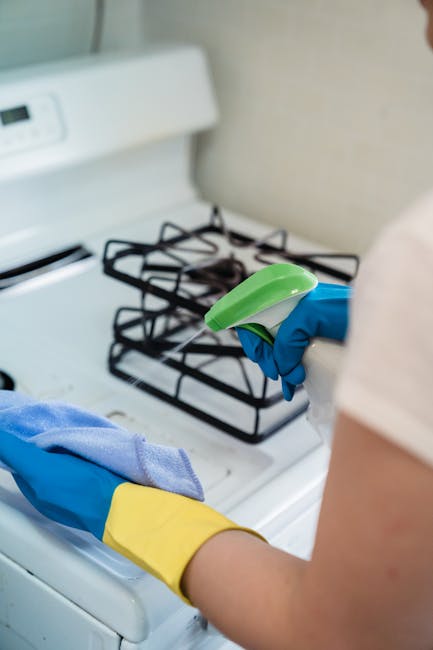
Flask Walk end of tenancy cleaning for landlords: a practical guide for better handovers
If you let property in Flask Walk, you already know the awkward bit is rarely the letting itself - it is the handover. A flat can look "fine" at first glance, then reveal baked-on oven grease, dusty skirting, limescale in the bathroom, and a carpet that has one too many stories. Flask Walk end of tenancy cleaning for landlords is about getting the place back to a presentable, inspection-ready standard without leaving the next tenancy to start from a messy compromise.
Done well, this kind of clean protects your asset, reduces friction with outgoing tenants, and helps the next move-in feel smoother. Done badly, it can turn into avoidable back-and-forth, delayed check-ins, and a few stressful messages you would rather not have on a Friday afternoon. This guide walks through what it involves, how it works, what good looks like, and how to avoid the usual landlord headaches.
Table of Contents
- Why Flask Walk end of tenancy cleaning for landlords matters
- How Flask Walk end of tenancy cleaning for landlords works
- Key benefits and practical advantages
- Who this is for and when it makes sense
- Step-by-step guidance
- Expert tips for better results
- Common mistakes to avoid
- Tools, resources and recommendations
- Law, compliance, standards and best practice
- Options, methods and comparison table
- Case study or real-world example
- Practical checklist
- Conclusion
- Frequently Asked Questions
Why Flask Walk end of tenancy cleaning for landlords matters
For landlords, end of tenancy cleaning is not just about making a property look nicer. It is about resetting the home between occupancies in a way that supports a fair inspection, a cleaner inventory, and a more reliable first impression for the next tenant. In a compact London street setting like Flask Walk, where turnover can happen quickly and properties are often judged on presentation as much as condition, that reset matters a lot.
The big issue is consistency. A tenant might have kept the flat reasonably tidy day to day, but the signs of normal living still build up: grease in the kitchen extractor, fingerprints on doors, dust behind radiators, soap scum in the shower, and marks around handles and switches. These things are easy to miss in a rushed viewing, yet they stand out immediately during checkout or before a new move-in.
There is also the business side. A poor handover can create unnecessary disputes, extra admin, and a slower re-let. A proper clean gives you a cleaner baseline for photographs, inventory reports, and repairs. It can even help you spot maintenance issues earlier, which is useful if you are trying to keep void periods short. Truth be told, that is the sort of practical win landlords feel straight away.
It is worth saying that end of tenancy cleaning is not the same as a normal weekly tidy or a quick domestic clean. A good end of tenancy cleaning service is more thorough, more methodical, and aimed at a property that needs to be handed over, not just lived in. That distinction is easy to miss until you see the difference yourself.
Expert summary: For landlords, the real value of end of tenancy cleaning is not perfection for its own sake. It is reducing friction, protecting the condition of the property, and making the next occupancy easier to start well.
How Flask Walk end of tenancy cleaning for landlords works
At a practical level, the process usually starts with a walk-through of the property. That sounds obvious, but it is the part many people rush. You want to identify what is due to normal wear, what is residue left by the outgoing occupier, and what actually needs specialist attention. A bathroom that needs descaling is one thing. A cracked seal or leaking tap is another. They are not the same job, and treating them as if they are the same leads to confusion.
Once the scope is clear, the clean is normally broken down room by room. Kitchens and bathrooms take the longest because they carry the most build-up. Living rooms and bedrooms may look easier, but dust in corners, skirting boards, window frames, and high-touch surfaces can still take a surprising amount of time. In a small flat, the work can feel tighter and more fiddly than in a larger house because every bit of clutter seems to sit in the way. Typical London property, really.
For landlords, it helps to think in layers. First comes visible cleanliness: floors, surfaces, sinks, ovens, bathroom fittings, and windows where needed. Then there is detail cleaning: edges, switches, handles, behind appliances, under furniture, and those little dust traps around vents and shelving. If carpets, upholstery, or curtains are part of the property, they may need separate attention from carpet cleaning or related services such as upholstery cleaning.
In many cases, landlords also combine a tenancy clean with other practical services if the property needs them. For example, a stubborn oven can benefit from a dedicated oven cleaning visit, and dusty windows can make a freshly cleaned flat still look a bit tired unless they are tackled too. There is no glory in skipping the obvious jobs and then wondering why the place still feels half-finished.
Key benefits and practical advantages
The first benefit is obvious: better presentation. A clean, fresh-smelling property photographs better, shows better during viewings, and gives incoming tenants a far more positive first impression. That may sound cosmetic, but in lettings, first impressions carry weight. You know how it goes - a clean sink and a bright window can change the tone of the whole room.
The second benefit is inspection readiness. When a property is cleaned properly between tenancies, it is easier to compare its current condition with the inventory. That makes any follow-up conversation more objective and less emotional. The cleaner the baseline, the easier the judgement call becomes.
Third, there is time efficiency. Landlords often have a lot to juggle between tenancies: repairs, keys, compliance checks, re-marketing, and tenant communications. Delegating the cleaning to a specialist team or planning it as part of a structured void period saves you from doing it piecemeal over several evenings. And let's face it, nobody wants to spend a whole Sunday trying to remove limescale from a shower screen with three different sprays and a sore wrist.
There is also a protective benefit. Deep cleaning helps preserve finishes. Regular attention to floors, carpets, hard surfaces, kitchen appliances, and bathrooms can reduce long-term wear. If your property includes hard floors, a specialist hard floor cleaning approach may be more appropriate than a general mop-and-go routine. The same goes for fabrics and furniture: the right method matters.
- Cleaner inspections: easier inventory comparisons and fewer disputes.
- Better re-letting: the property looks cared for and ready.
- Reduced admin: fewer back-and-forth messages over cleaning standards.
- Asset protection: dirt is removed before it has time to become damage.
- More predictable handovers: the next tenancy can start on time.
Who this is for and when it makes sense
This service is for any landlord who wants the handover stage to be calmer and more professional. That includes private landlords, accidental landlords, and portfolio owners with multiple flats or houses. It is especially useful if the property has just had long-term tenants, pets, shared occupancy, or a particularly busy kitchen. You can usually tell which homes need extra attention the moment you open the oven door. A little silence, then a sigh. Happens more often than you might think.
It also makes sense when the property is going straight back on the market. Even if a tenant has left the place tidy, a thorough clean can be the difference between "acceptable" and "ready to view." For landlords using a fast turnaround model, that gap matters. A day saved is often a day of rent protected.
If you manage multiple properties, consistency is the real reason to systemise this. One property may look fine, another may need the works, but your process should be the same each time: inspect, record, clean, re-check. If you already use a general cleaning company for broader maintenance, a clear tenancy-clean routine slots in neatly beside that.
It also suits landlords who want fewer arguments at checkout. That alone can be worth a lot. A clear cleaning standard, supported by photos and a sensible checklist, gives everyone a better footing. Not magic. Just good process.
Step-by-step guidance
Here is a straightforward way to approach Flask Walk end of tenancy cleaning for landlords without overcomplicating it.
- Inspect the property room by room. Note visible dirt, wear, breakages, and any areas needing specialist cleaning.
- Separate cleaning from repairs. Limescale, grease, dust, and stains are cleaning issues; leaks, cracks, and broken fittings are maintenance issues.
- Prioritise high-impact areas first. Kitchens, bathrooms, floors, and entry points usually affect perception most strongly.
- Decide whether the job is general or specialist. Carpets, ovens, sofas, and windows often need dedicated methods.
- Clear access before cleaning starts. A cluttered property slows everything down, especially in small flats.
- Work top to bottom. Dust drops, so it makes sense to start higher and finish with floors.
- Finish with a final check. Open cupboard doors, look at corners, inspect sockets, and check under sinks.
In a landlord setting, the final check matters more than people think. A clean can look complete until you open an overlooked cupboard or notice a patch of dust on the top edge of a door frame. Those tiny misses are exactly what make a place feel "almost there" instead of properly ready.
If the property has been empty for a while, a one-off service can also help with accumulated dust or a slightly stale feel. A one-off cleaning approach is useful where you need a reset rather than regular maintenance. For larger clean-out situations, it may also be worth considering house clearance before the actual clean begins.
Expert tips for better results
One of the best things a landlord can do is set expectations before anyone picks up a mop. If you want a full tenancy-standard clean, say so clearly. If you only need certain areas prioritised because other trades are coming in, say that too. Vague instructions create vague results. Simple as that.
Another useful tip: do not leave cleaning until after the last repair visit if you can avoid it. Nothing wipes out good work faster than dust from drilling, paint splashes, or shoe marks from trades coming and going. Sequence matters. A lot, actually.
It also helps to match the cleaning method to the surface. Windows need different treatment to kitchen tiles. Soft furnishings need different treatment to laminate or stone. If you are dealing with tired fabrics or a sofa that has absorbed everyday use, specialist sofa cleaning or rug cleaning can make a clear visual difference.
For landlords, a calm, evidence-based approach works best. Take photos before cleaning starts, especially if the condition is more worn than usual. That protects you in conversations later and stops the whole thing becoming a memory contest. We have all seen that one. "It was cleaner than that when we left." "Are you sure?" The camera does not have opinions.
- Use a room-by-room sequence so nothing gets missed.
- Prioritise kitchens and bathrooms before bedrooms and lounges.
- Combine general cleaning with specialist treatments where needed.
- Leave enough time for drying, airing, and a final walkthrough.
- Keep a simple record of what was cleaned and what was found.
Common mistakes to avoid
The most common mistake is assuming that "tidy" equals "tenant-ready." It does not. A space can look tidy and still fail a reasonable inspection because of grease, dust, residue, or odour. A quick wipe over the visible parts is fine for living day to day, but not enough for a turnover.
Another common issue is cleaning too early and then letting the property sit. If the flat is cleaned and then left open, dust finds its way back in through windows, hallways, and the movement of people doing final jobs. That is especially annoying in city properties where there is always some fine dust in the air. You clean once, and the room somehow wants to be dusty again by lunchtime. Rude, honestly.
Landlords also sometimes forget about hidden areas: the tops of cabinets, behind bins, under appliances, around tap bases, and inside extractor covers. These are not glamorous places, but they are where standards are judged. Another mistake is expecting a cleaner to fix damage. Stains can often be improved, but worn sealant, broken fittings, and deep marks are different conversations.
Finally, there is the "do everything at the last minute" trap. It is tempting, especially if you are balancing viewings and trades, but it usually makes the clean more expensive, more rushed, or less effective. A bit of planning really does save hassle.
Tools, resources and recommendations
You do not need a warehouse full of equipment to manage a good tenancy clean, but you do need the right kind of help. For basic upkeep and pre-clean prep, microfibre cloths, a decent vacuum, a good degreaser, a non-abrasive bathroom cleaner, and enough dusting tools to reach corners are the basics. For more difficult jobs, specialist equipment and products make a big difference.
From a landlord's point of view, the most useful resource is a reliable, repeatable cleaning plan. That can be your own checklist, or it can be a service agreement with a provider who understands void-period deadlines. If your properties are furnished, or if tenants leave behind a lot of waste, you may also need to think about domestic cleaning as part of a wider reset, not just a stand-alone appointment.
If your main concern is the kitchen, ask specifically about oven and appliance care. Ovens are time-consuming and easy to underestimate. A dedicated oven cleaner can be a better use of time than asking someone to "just have a go" and hoping for the best. Same story with windows: a proper window cleaning finish can make the whole place feel brighter, especially in rooms with limited natural light.
For landlords who want a more complete reset, deep cleaning is often the umbrella service that ties everything together. It is a useful phrase because it reminds everyone that this is not a light refresh. It is a proper reset between occupancies.
Law, compliance, standards and best practice
Cleaning itself is usually straightforward, but the landlord context brings in a few best-practice considerations. You are generally aiming for a fair, consistent, and well-documented standard rather than chasing perfection. That means keeping your records tidy, using the same expectations across tenancies, and making sure any deductions or complaints are supported by evidence rather than instinct.
In practice, good documentation is your friend. Condition photos, inventory notes, and a simple before-and-after record can reduce disagreement. If a room had visible wear before cleaning started, make sure that is noted. If a tenant has already been told what standard is expected, keep that communication. Nothing dramatic. Just sensible housekeeping.
Health and safety also matters. Cleaning chemicals, ladders, electrical items, slippery floors, and enclosed spaces all carry everyday risks. A professional approach should include safe product use, good ventilation, and the right handling of equipment. If you are arranging cleaning through a provider, it is reasonable to ask about their health and safety policy and insurance and safety arrangements. That is not over-cautious. It is just part of responsible management.
There is also the practical side of service terms, payment clarity, and what happens if the property is not ready when the team arrives. Clear expectations help both sides. If needed, you can review a provider's terms and conditions and payment and security information before booking. For landlords, that sort of admin may not be glamorous, but it prevents unnecessary misunderstandings later.
Options, methods and comparison table
Not every property needs the same approach. Sometimes a lighter clean is enough if the tenant has left the flat in very good shape. Other times, you need a full deep clean with a few specialist add-ons. The best choice depends on condition, time pressure, and the next tenancy date.
| Approach | Best for | Strengths | Limitations |
|---|---|---|---|
| Light turnaround clean | Very tidy properties with minimal residue | Quick, simple, lower disruption | Not enough for heavier kitchen, bathroom, or carpet issues |
| Full end of tenancy clean | Most landlord handovers | Detailed, inspection-friendly, balanced cost and value | Needs more time and coordination |
| Deep clean with extras | Longer tenancies, furnished flats, pet use, heavy buildup | Best for tougher reset jobs and stronger presentation | Higher cost and usually more scheduling effort |
| Specialist add-ons | Ovens, carpets, windows, upholstery, hard floors | Targets problem areas efficiently | Needs coordination with the main clean |
For most landlords, the sweet spot is a full clean with targeted extras where they actually matter. That keeps the job sensible rather than excessive. If the property has a lot of fabric or soft furnishing use, adding carpets cleaner support or upholstery work can make more difference than another pass over the living-room floor.
Case study or real-world example
Here is a realistic landlord scenario. A one-bedroom flat in Flask Walk is coming back after a 14-month tenancy. The tenant has left the place generally decent, but the kitchen has greasy cabinet handles, the oven has baked-on residue, the bathroom has limescale, and the living-room carpet looks flat and slightly dull near the sofa area. Nothing shocking. Just normal life, plus a bit of neglect in the corners.
Rather than trying to deal with everything in one rushed morning, the landlord books the cleaning in sequence. First, the property is inspected and photographed. Next, the oven is handled separately, the bathroom receives a deeper detail clean, and the carpets are dealt with as a specific task rather than a quick vacuum. Windows are checked because the room is north-facing and a little extra light helps. The result is not "show home perfection." It is better than that for practical purposes - clean, neutral, easy to market, and much easier to hand over.
What made the biggest difference was not a miracle product. It was order. The landlord knew what needed specialist attention, which jobs could wait, and where the property was still showing signs of everyday use. That clarity saved time, reduced stress, and made the next viewing much more straightforward.
That is usually the real story behind a good tenancy clean. No drama. Just a bit of planning and a decent standard.
Practical checklist
Use this checklist as a final pre-handover guide for Flask Walk end of tenancy cleaning for landlords.
- Inspect every room before booking the clean.
- Separate cleaning tasks from repairs and maintenance issues.
- Remove leftover items, rubbish, and loose clutter first.
- Prioritise kitchen appliances, sinks, taps, and worktops.
- Check bathrooms for limescale, soap residue, and hidden grime.
- Dust skirting boards, door frames, switches, and high ledges.
- Vacuum and clean floors properly, including corners and edges.
- Consider specialist treatment for carpets, rugs, sofas, or upholstery where relevant.
- Clean windows and internal glass if the property looks dull or tired.
- Take after-clean photos for records and future reference.
- Do a final walkthrough in daylight if possible.
- Make sure keys, access notes, and timing are all confirmed in advance.
Small thing, but useful: open the cupboards after the clean. It is amazing how often the inside is forgotten when the outside looks fine. That one habit catches more misses than people expect.
Get a free quote today and see how much you can save.
Conclusion
For landlords, Flask Walk end of tenancy cleaning is really about control. Control over presentation, over timing, over the standard of handover, and over how smoothly the next tenancy begins. If the cleaning is planned well, the rest of the move is usually calmer too. If it is rushed or vague, problems have a habit of multiplying. Funny how that works.
The best approach is simple: inspect carefully, clean methodically, use specialist help where needed, and keep a record of what was done. That way the property is reset properly, not just made to look temporarily acceptable. And in a place where first impressions matter, that makes a genuine difference.
One clean flat, one clear handover, one less thing to worry about. That is usually the goal, and it is a good one.
Frequently Asked Questions
What does Flask Walk end of tenancy cleaning for landlords usually include?
It usually includes a detailed clean of kitchens, bathrooms, living areas, bedrooms, floors, surfaces, fixtures, and visible touchpoints. Depending on condition, it may also include oven cleaning, carpet cleaning, window cleaning, or upholstery work.
Is end of tenancy cleaning different from a normal domestic clean?
Yes. A normal domestic clean keeps a property maintained, while end of tenancy cleaning prepares it for handover. That means more detail, more focus on hidden areas, and a stronger finish overall.
When should a landlord book the clean?
The best time is after the tenant has moved out and after any repairs or decorating work is finished, but before marketing photos or new tenant move-in. Cleaning too early often means you clean twice.
Do landlords need specialist carpet or oven cleaning?
Not always, but it is often worthwhile if those areas are heavily used or visibly marked. Specialist treatment can make the whole property look more complete and can save time compared with a general clean alone.
Can a tenant's tidy flat still need a full end of tenancy clean?
Absolutely. Tidy does not always mean properly clean. Grease, dust, limescale, and residue can still be present even when the place looks decent at first glance.
How can landlords reduce disputes over cleaning standards?
Use a clear inventory, take before-and-after photos, keep the same standard for each tenancy, and communicate expectations early. Good records make conversations much easier if there is disagreement.
What areas are most likely to be missed in a tenancy clean?
Common misses include the tops of cupboards, behind appliances, skirting boards, light switches, extractor covers, window frames, and the inside edges of cupboards. Those little places are often where the dust hides.
Is a deep clean the same as an end of tenancy clean?
They overlap a lot, but not always. A deep clean is broader and can be used for many situations, while an end of tenancy clean is specifically about the handover between tenants.
Do furnished flats need extra attention?
Usually yes. Furnished properties often need additional care for sofas, rugs, mattresses, curtains, and other fabric items that hold dust or odour over time.
How do I know if I should book a professional cleaning company?
If the property needs a quick turnaround, has specialist problem areas, or you want a more consistent finish, using a professional team is often the simplest option. It is also useful when you do not want the handover to depend on one person doing everything alone.
What should a landlord check after the clean is finished?
Check the kitchen, bathroom, floors, windows, and high-touch areas first. Open cupboards, look at edges and corners, and review the property in good daylight if you can. A final walkthrough catches the little things.
Does a cleaner fix damage as well as dirt?
No, not usually. Cleaning improves dirt, grime, residue, and odour, but broken fittings, leaks, cracked tiles, and worn materials are maintenance issues, not cleaning issues.
Where can I learn more about related cleaning services?
You can look at deep cleaning, end of tenancy cleaning, and related services like window cleaning or oven cleaning if those areas are part of the handover.
Who can I contact if I want to ask about the service first?
If you want to speak to the team directly, use the website's contact us page. If you are comparing service details, the pricing and quotes page is also useful for planning ahead.